Ethiopia doesn’t have a single best season — it has the right season for each type of trip. The country spans multiple climatic zones, from the sea-level heat of the Danakil Depression to the Afroalpine highlands of the Simien Mountains, and conditions vary significantly by region and altitude. This guide breaks down the best time to visit Ethiopia month by month so you can plan around the destinations that matter most to you.
Ethiopia’s two main seasons
At a simplified level, Ethiopia has two seasons that drive most travel planning decisions:
Dry season (October to May): The main travel season. Roads are passable, skies are mostly clear, and all regions are accessible. The highlands are comfortable (15–25°C in Addis Ababa), the Danakil is at its least extreme, and the Omo Valley’s bush tracks are drivable. The dry season is split by a brief short rains period in March–April, which affects some highland areas but rarely disrupts travel.
Long rains (June to September): The kiremt brings heavy afternoon rains to the highlands. The Simien Mountains are frequently in cloud, Omo Valley roads become difficult, and some remote areas are inaccessible. However, the landscape turns dramatically green, the birding season peaks, and this period sees fewer tourists and lower prices.
Month-by-month breakdown
October & November — Excellent for most regions
The long rains end in late September and the landscape is at its greenest of the dry season, with waterfalls still full and the countryside lush. Skies clear rapidly, highland temperatures are comfortable, and roads are drying out after the rains. October–November is an excellent time for the Simien Mountains trek, Lalibela, and Omo Valley. The Danakil is accessible but beginning to warm toward its hottest months.
December & January — Peak season, festivals, best conditions
In depth: Ethiopia in December — weather, festivals and where to go.
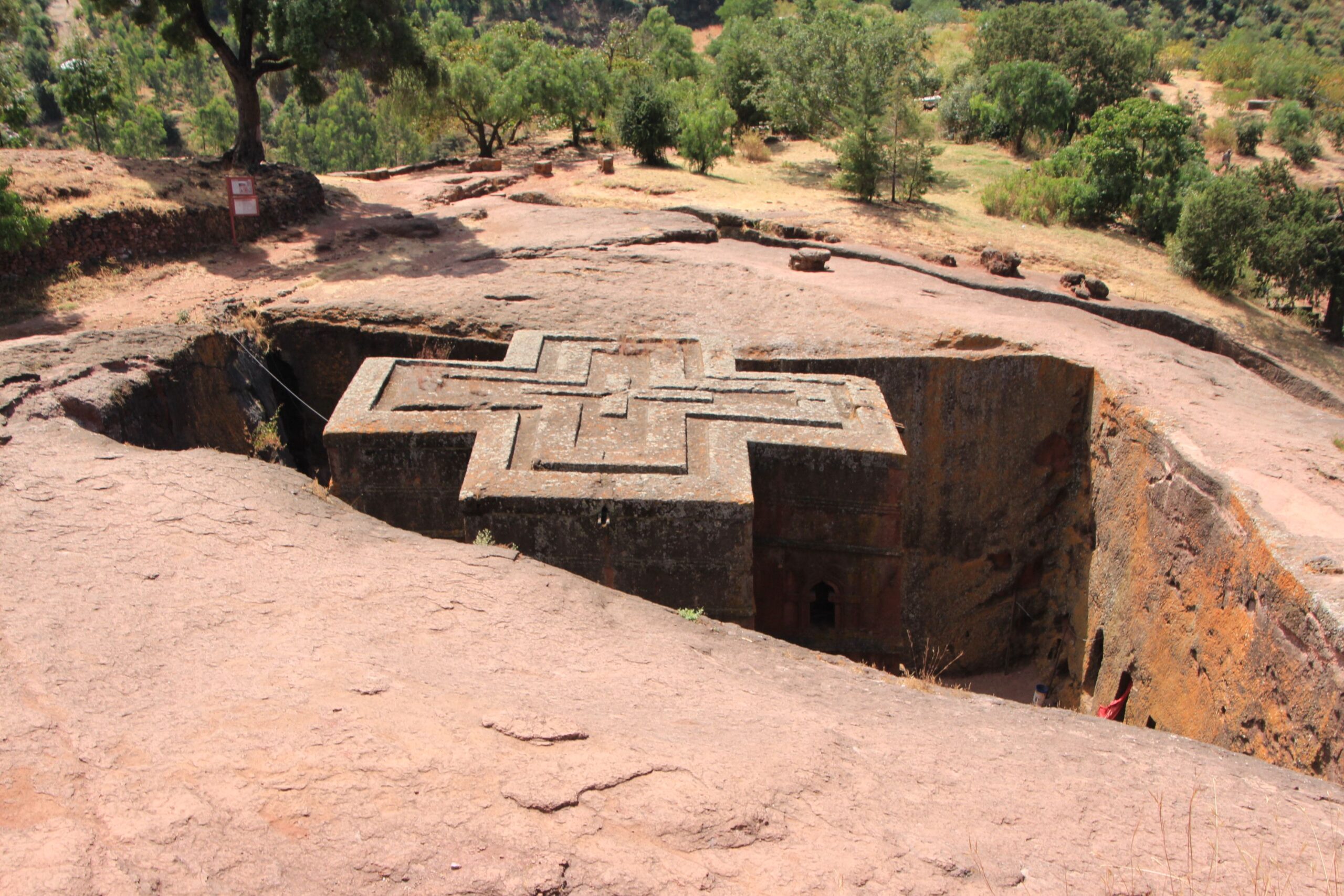
December and January are the premium travel months. Skies are reliably clear across all regions, highland temperatures are cool and pleasant, and two of Ethiopia’s most spectacular Orthodox festivals fall in this window: Genna (Ethiopian Christmas, 7 January) and Timket (Ethiopian Epiphany, 19 January). Lalibela during Timket, with tens of thousands of white-robed pilgrims filling the rock church precincts, is one of the most extraordinary sights in Africa.
Book accommodation and flights well in advance for January — Lalibela in particular fills up months ahead for Timket.
February & March — Excellent conditions, last of the dry season clarity
February remains excellent, with the clearest skies and the most consistently dry conditions across all regions. Omo Valley roads are at their most reliable. The Danakil is hot but manageable. March sees the beginning of the short rains (belg) in some highland areas, which can bring brief afternoon showers, but rarely disrupts travel seriously. March is generally still a very good month.
April & May — Good value, shorter rains, some disruption possible
The short rains peak in April in some highland areas, particularly the south. Omo Valley access may become more difficult toward the end of April. However, this is Ethiopian Easter (Fasika) season — a significant religious celebration, particularly in Lalibela and Axum, worth planning around if religious tourism interests you. Prices are lower than peak season and crowd levels are manageable.
June to September — Long rains; challenging but rewarding for birders and scenery
The kiremt rains dominate from June through mid-September. The highlands turn intensely green, waterfalls roar, and the countryside that looks desiccated in the dry season comes alive. This is the best time of year for birding — migrant species arrive and resident birds breed. The Bale Mountains, Awash, and highland areas look spectacular.
Trade-offs: the Simien Mountains are frequently in cloud (though the Geladas are still there), Omo Valley roads range from difficult to impassable depending on rainfall, and the Danakil becomes genuinely extreme. September is typically transitional — rains ease from mid-month, and by late September most highland areas are accessible again. Meskel (Finding of the True Cross, 27 September) falls at the tail end of the rains and is one of Ethiopia’s most dramatic festivals.
Best time by destination
Danakil Depression: October to February. Temperatures are lowest (still 30+°C) and access is most reliable. Avoid March–September unless you have specific reasons — the heat is genuinely dangerous.
Lalibela: Year-round accessible, but October–May is optimal. January for Timket festival (book very early). June–September sees green hills and fewer tourists.
Simien Mountains: October–March for trekking. April–May marginally acceptable. June–September the escarpment is frequently in cloud — views are compromised, though wildlife is present.
Omo Valley: October–May. Roads vary from comfortable (November–March) to challenging (April–May short rains). June–September is often inaccessible for many tracks.
Addis Ababa: Year-round. The city sits at 2,355m and has mild temperatures in all seasons. Even during the long rains, Addis is functional and accessible.
Bale Mountains: Year-round, though April–September sees the most reliable Ethiopian wolf activity on the high plateau. The roads to the park are tarmacked and accessible in all seasons.
Tell us when you’re planning to travel and we’ll recommend the right itinerary. Browse our Ethiopia tour packages or contact our team to plan around your dates.
Frequently Asked Questions
What is the best month to visit Ethiopia?
January is the single best month: clear skies across all regions, comfortable highland temperatures, and Ethiopia’s two largest Orthodox festivals (Genna on 7 January, Timket on 19 January) both fall within the month. October, November, and February are close seconds — excellent conditions without the festival crowds and accommodation pressure of January.
Can you visit Ethiopia during the rainy season?
Yes. The rainy season (June–September) is not a barrier to visiting Addis Ababa, Lalibela, or the Bale Mountains, and it’s the best time for birding. It does make the Omo Valley and some remote areas difficult or impossible to reach. Discuss your itinerary with your operator if you’re planning a rainy season visit — several itineraries work well in this window.
What is the hottest time of year in Ethiopia?
The Danakil Depression is hottest from March through September, with ground temperatures exceeding 50°C. The Ethiopian highlands (Addis Ababa, Lalibela, Gondar) are warm in March–May (20–28°C) and cool in December–January (15–20°C). Altitude is the dominant factor for highland temperatures — Lalibela at 2,630m is noticeably cooler than Addis Ababa at 2,355m.
When are the main Ethiopian festivals?
Ethiopia follows the Ethiopian Orthodox calendar, which uses the Ge’ez calendar (7–8 years behind the Gregorian calendar). Key festivals on the Gregorian calendar: Genna (Ethiopian Christmas) 7 January, Timket (Epiphany) 19 January, Fasika (Easter) April–May (date varies), Meskel (Finding of the True Cross) 27 September. The Irreechaa festival (Oromo thanksgiving) falls in late September/early October and draws large crowds to Lake Hora near Addis Ababa.