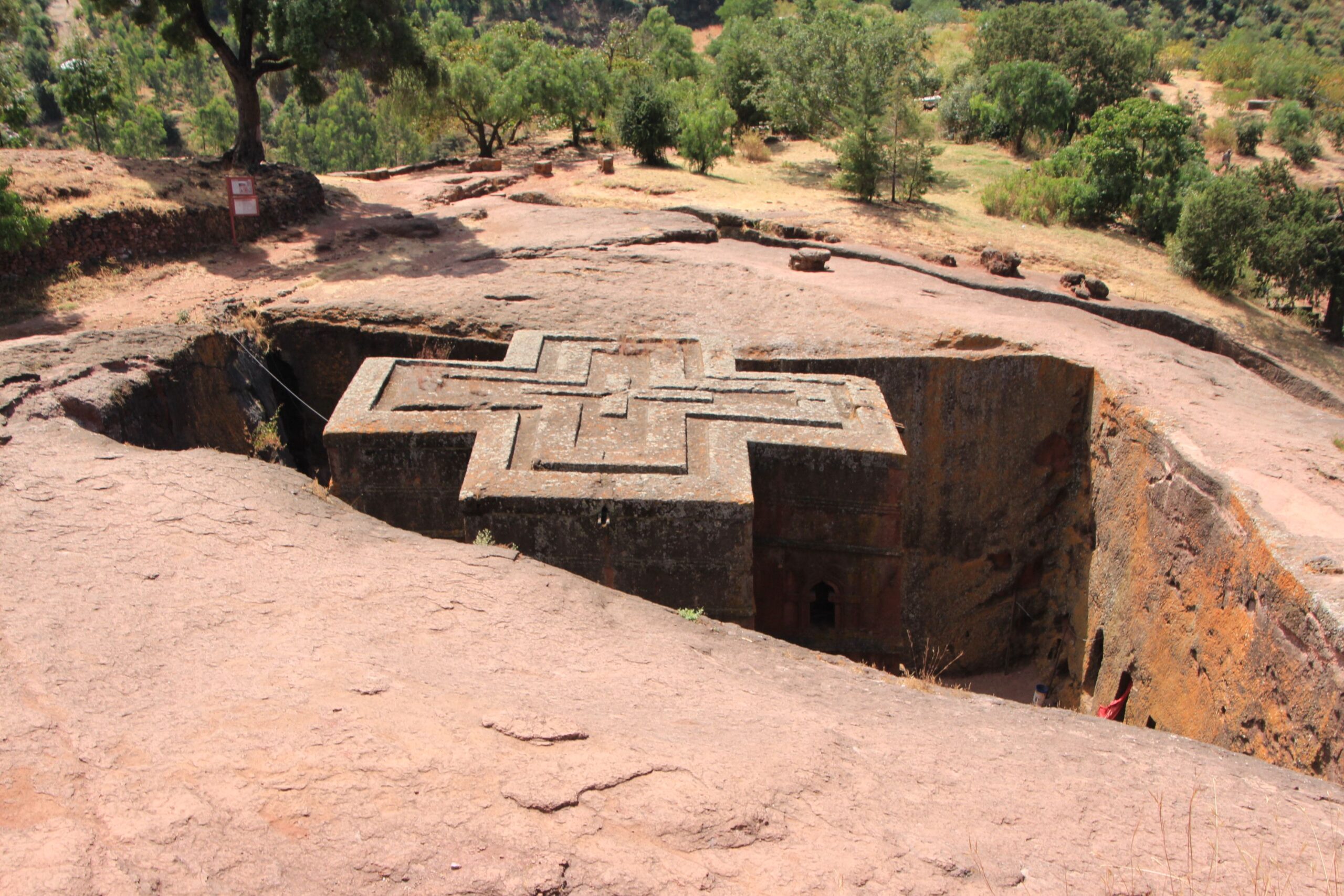
Ethiopia is a destination with outsized reputation risk relative to its actual experience on the ground for most visitors. The country has genuine complexities — some regions with active conflict, political volatility in specific areas, and the kind of logistical challenges that come with a large, diverse country. But for the vast majority of tourist itineraries — Addis Ababa, Lalibela, Gondar, the Simien Mountains, the Danakil, and the Omo Valley — Ethiopia is safe to travel and visited without incident by international tourists every year.
This guide gives you an honest picture of where things stand, not a blanket reassurance.
Current overview (September 2026)
What the official advisories say right now
Checked 5 September 2026. Advisories change, sometimes quickly — read both before you book and again before you fly.
United States (State Department): Ethiopia is rated Level 3 — Reconsider Travel overall, with Level 4 — Do Not Travel for the Tigray, Afar and Amhara regions.
United Kingdom (FCDO): advises against all travel to the Amhara region, with one carve-out — Lalibela and the road to Lalibela from the B22, which sit under the lighter “all but essential travel” advice. In Afar, the FCDO advises against all travel within 10km of the Eritrean border.
What that means for three of our trips, said plainly. Lalibela and Gondar are in Amhara. So are the Simien Mountains. The Danakil Depression is in Afar. We continue to operate all three — licensed guides, armed scout escorts where they are required, daily contact with our ground teams, and itineraries we will postpone or reroute rather than run into a situation we do not like. What we will not do is tell you the advisories say something other than what they say.
The part most operators leave out: your insurance. Many travel insurance policies are void, in whole or in part, if you travel to a region your own government advises against visiting. If you are considering Lalibela, Gondar, the Simien Mountains or the Danakil, check your policy wording for “travel against government advice” before you pay a deposit, and ask your insurer directly if it is ambiguous. We would rather you found out now than at 3,600 metres.
If you would rather avoid the question entirely, several of our itineraries run wholly within Addis Ababa, Oromia and southern Ethiopia — none of which carry a Level 4 or an against-all-travel designation from either government: the Addis Ababa full-day city tour, the Debre Libanos Monastery and Portuguese Bridge day trip, and the Omo Valley tribal cultural experience.
Ethiopia is a country of 120+ million people and over a million square kilometres. Generalising safety across the entire country is like generalising safety across Europe — the range of conditions varies enormously by region.
The Tigray region in the far north experienced a devastating civil conflict between 2020 and 2022. A peace agreement was signed in November 2022 and has largely held, though the humanitarian situation in Tigray remains difficult and tourist infrastructure has not recovered. Tigray is not currently recommended for tourist visits, and most government travel advisories continue to advise against all but essential travel there.
The Amhara region has seen civil unrest and active conflict between government forces and armed groups since 2023. Parts of the Amhara region, particularly areas away from main tourist routes, have been affected. The main tourist sites — Lalibela, Gondar, and the Simien Mountains — have continued to receive tourists throughout this period, though the security situation in surrounding areas requires monitoring and local guidance.
The Oromia region (which includes significant tourism infrastructure around Addis Ababa and Bale) has seen periodic unrest. Addis Ababa itself is generally calm and functions normally.
The standard international tourist circuit — Addis Ababa, Lalibela, Gondar, Simien Mountains, Danakil, Omo Valley — has continued to operate with tours running year-round throughout recent years of political complexity. This isn’t minimising the issues; it’s accurate about where tourists actually go.
Practical safety by region
Addis Ababa
Ethiopia’s capital is one of Africa’s major cities and is broadly safe for visitors. Standard urban precautions apply: avoid displaying expensive electronics, use registered taxis or ride-share apps (Ride and ZayRide are widely used), be alert in crowded markets (Merkato is busy and pickpocketing occurs), and avoid poorly lit areas at night. The Bole, Kazanchis, and Piazza neighbourhoods are the main tourist areas and function normally.
Lalibela and Gondar
Both cities have continued to receive international tourists. Lalibela is remote from the active conflict areas in Amhara region and has functioned normally. Gondar has seen some unrest in the broader region, and the road between Gondar and the Simien Mountains park entrance requires current-condition checks. All Ethiosinia tours include daily security briefings for guides in the Amhara region.
Simien Mountains
The park itself is peaceful. The approach from Gondar has been the subject of some disruption; always travel with a licensed operator who maintains current intelligence on road conditions. Armed scout escorts within the park are compulsory and provide additional security reassurance.
Danakil Depression
The Danakil requires licensed operation and armed Afar escort due to its remote location near the Eritrean and Djibouti borders. Ethiosinia operates only with escort and maintains current relationships with the Afar community. This is a wilderness security context, not a civil unrest one — the armed escort exists for the remote environment, not due to tourist-targeting incidents.
Omo Valley
Southern Ethiopia is generally stable for tourists. The Omo Valley receives visitors year-round. Intercommunity tensions exist within the region (primarily cattle-raid dynamics between pastoral groups) and local guides are the essential link to current conditions. No major tourist incidents in recent years.
Practical precautions for any Ethiopia trip
Check your government’s travel advisory before booking and again before departure. The UK FCO (gov.uk), US State Department, and Australian DFAT all maintain up-to-date Ethiopia advisories with region-specific guidance. These are imperfect but represent the best publicly available intelligence.
Travel with a registered operator. A local operator maintains daily contact with ground teams and adjusts itineraries based on current conditions. This is the single most important safety measure for Ethiopia travel — more so than any gear or precaution you can take personally.
Register with your embassy. Most countries offer a registration service (STEP for US citizens, LOCATE for Australians) that lets your embassy contact you in an emergency. Take five minutes to do this before you travel.
Travel insurance with medical evacuation cover is essential. The nearest internationally accredited hospitals are in Addis Ababa; for remote areas, evacuation capability matters. African Ambulance and the Flying Doctors Society of Africa are the main operators in East Africa.
Health precautions: Malaria prophylaxis is recommended for lower-altitude areas (below 2,000m) including the Omo Valley, Awash, and Danakil. The Simien Mountains, Lalibela, and Addis Ababa are at elevations where malaria risk is low. Consult a travel medicine specialist at least 6 weeks before departure.
We’ve been operating tours in Ethiopia since 2013 and our team lives here. Contact us with specific questions about current conditions — we’ll give you an honest answer based on what our guides are seeing on the ground.
Frequently Asked Questions
Is Addis Ababa safe for tourists?
Yes, Addis Ababa is broadly safe for tourists. Standard urban precautions apply — use registered transport, keep valuables out of sight, be aware in busy markets. The Bole and Kazanchis neighbourhoods where most hotels are located are well-functioning urban areas. Addis has a visible police presence and is accustomed to international visitors.
Can I visit Lalibela and the Simien Mountains safely?
Yes. Both destinations have continued to receive international tourists throughout recent years of regional complexity. Ethiosinia operates active departures to both. The key is travelling with an operator who monitors current conditions — we check road conditions, security updates, and local intelligence before every departure.
What areas of Ethiopia should I avoid?
At the time of writing: Tigray (northwest) is not recommended for tourist visits due to the post-conflict humanitarian situation. Some border areas (Ethiopia-Eritrea, Ethiopia-Sudan, Ethiopia-Somalia) should be avoided. For Amhara and parts of Oromia, follow current government advisories and travel with a licensed local operator who can monitor and adjust.
Is solo travel in Ethiopia safe?
Solo travel in Addis Ababa is feasible for experienced independent travellers. Beyond the capital, the practical challenges of transport, accommodation logistics, and permit requirements for sites like Simien Mountains make guided travel significantly easier even outside of security considerations. Remote areas like the Danakil are operationally impossible to visit independently — permits and escort are legally required.